OCD Treatment in Concord, MA
Obsessive-Compulsive Disorder (OCD) can significantly disrupt a teen’s daily life, relationships, school performance, and sense of safety. Teens with OCD often feel trapped in cycles of intrusive thoughts and compulsive behaviors that interfere with their ability to focus, relax, or feel in control.
At Kiwi Recovery, we provide structured, evidence-based OCD treatment that helps teens understand their symptoms, reduce compulsions, and build effective coping and regulation skills in a supportive, teen-centered environment.
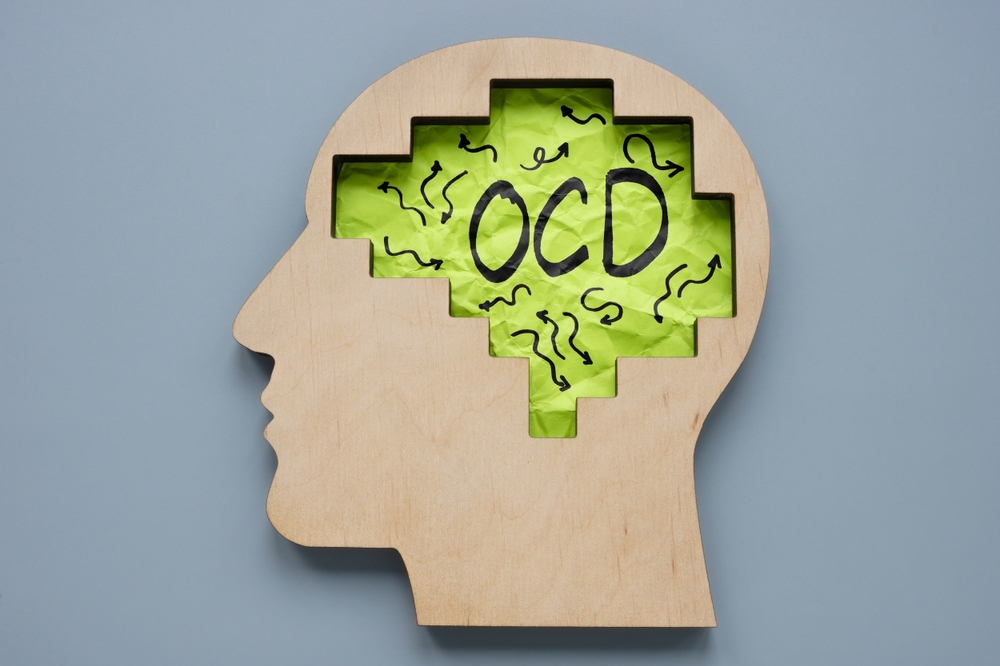
What Is Obsessive-Compulsive Disorder (OCD)?
OCD is a mental health condition characterized by obsessions (intrusive, unwanted thoughts, urges, or images) and compulsions (repetitive behaviors or mental acts performed to reduce distress). While anxiety is often present, OCD is distinct in that relief is typically short-lived, reinforcing rigid cycles that grow stronger over time without treatment.
OCD can look different in every teen and may be misunderstood as perfectionism, defiance, or excessive worry. Without appropriate intervention, symptoms often become more time-consuming and impairing.
Signs & Symptoms May Include:
- Intrusive or distressing thoughts that feel impossible to ignore
- Repetitive behaviors (checking, washing, counting, ordering, repeating)
- Mental compulsions (replaying thoughts, reassurance-seeking, neutralizing fears)
- Excessive need for certainty or reassurance
- Fear of making mistakes or causing harm
- Avoidance of specific people, places, or situations
- Rigid routines or rules that feel “necessary”
- Intense distress when routines are interrupted
- Difficulty concentrating or completing schoolwork
- Shame, secrecy, or frustration around symptoms

Why Kiwi Recovery in Concord, MA for Teen OCD Treatment?
Kiwi Recovery offers a structured, predictable, and clinically sophisticated environment designed specifically for adolescents. Our team uses brochure-confirmed, evidence-based modalities — including Dialectical Behavior Therapy (DBT), Cognitive Behavior Therapy (CBT), Motivational Interviewing (MI), mindfulness, grounding practices, creative expression, movement-based therapy, and animal-assisted therapy — to help teens reduce OCD symptoms and regain flexibility.
Our approach emphasizes skill-building, emotional safety, family involvement, and gradual behavior change, while avoiding shame-based or overly aggressive interventions.
What Makes Kiwi Different:
- Voted #1 for Clinical Records out of 250+ programs
- Adolescent-specific orientation and treatment structure
- DBT for teens (emotion regulation, distress tolerance, cognitive flexibility)
- CBT-informed approaches for obsessive thought patterns and compulsions
- Careful reduction of reassurance-seeking and accommodation behaviors
- Weekly family sessions focused on OCD-specific dynamics
- Psychiatric evaluation and medication management when appropriate
- Animal-assisted therapy (canine + equine) to support regulation and trust
- Mindfulness, grounding, and movement-based interventions
- Structured daily routines that reduce overwhelm and reactivity
- Individualized treatment plans for co-occurring anxiety, depression, trauma, or school avoidance

Start Your Intake
with one of our OCD Treatment Specialists
Please call
How We Treat OCD at Kiwi Recovery
Teens participate in a structured full-day or half-day program designed to help them understand OCD, interrupt compulsive cycles, and develop healthier responses to distress.
Our Approach Includes:
Individual Therapy
Teens work one-on-one with a clinician using DBT, CBT, MI, and supportive counseling to:
- Identify obsessive thought patterns
- Understand the function of compulsions
- Build distress tolerance and cognitive flexibility
- Reduce reliance on reassurance and avoidance
Group Therapy
Teens participate in core Kiwi therapeutic groups that provide consistency, accountability, and skill development:
- Intentions Group – grounding, emotional check-ins, daily goals
- Skills Teaching – DBT skills for emotion regulation, distress tolerance, and mindfulness
- Adaptive Coping Skills – responding to intrusive thoughts without compulsions
- Relapse Prevention Group - reducing ritualization and avoidance patterns
- Reflection Group – processing progress and reinforcing skill use
Family Support
Weekly family sessions help caregivers:
- Understand OCD cycles and accommodation patterns
- Learn how to respond without reinforcing compulsions
- Improve communication and emotional validation
- Support independence and confidence at home
Psychiatric Care
Psychiatric evaluation and medication management are available when OCD symptoms significantly impair daily functioning or co-occur with anxiety, depression, or sleep disruption.
Experiential Therapies
Mindfulness, grounding exercises, movement, art therapy, and animal-assisted therapy help teens regulate distress and practice flexibility in real-time settings.
Academic Support
School-aligned tutoring supports academic stability and reduces stress that can intensify OCD symptoms.
What Teens Learn in OCD Treatment
Teens learn how to
- Identify obsessive thoughts without engaging them
- Tolerate distress without compulsive behaviors
- Reduce reassurance-seeking and avoidance
- Build emotional regulation and cognitive flexibility
- Strengthen communication and self-advocacy
- Respond to uncertainty more effectively
- Improve peer, family, and school functioning
- Rebuild confidence and autonomy
Levels of Care Offered
Kiwi Recovery provides multiple levels of care for teens with OCD:
-
Partial Hospitalization Program (PHP)
-
Intensive Outpatient Program (IOP)
-
Outpatient Therapy
-
Each level offers structured support while allowing teens to progress at a pace aligned with their needs and readiness.
When to Seek Help
Consider reaching out if you notice:
- Intrusive or distressing thoughts
- Compulsive behaviors or mental rituals
- Excessive reassurance-seeking
- Rigid routines or intense distress around change
- Avoidance of school, activities, or people
- Emotional shutdown, irritability, or overwhelm
- Declining academic performance
- Shame or secrecy around behaviors
-
Early, specialized support can prevent OCD from becoming more entrenched over time.
Find a Kiwi Recovery Location Near You
FAQs: OCD Treatment for Teens in Brookline, MA
If obsessions or compulsions are interfering with school, relationships, routines, or emotional well-being — or causing significant distress — professional treatment can help interrupt worsening cycles.
Kiwi supports teens with a range of OCD presentations, including contamination fears, checking behaviors, intrusive thoughts, reassurance-seeking, symmetry/ordering, and mental compulsions. Treatment is individualized.
No. Kiwi Recovery focuses on symptoms and functional impact rather than requiring a formal diagnosis before beginning care.
Treatment integrates DBT, CBT-informed strategies, mindfulness, family involvement, experiential therapies, and psychiatric care when appropriate. The focus is on reducing compulsive cycles and building tolerance for distress and uncertainty.
Exposure-based work is approached thoughtfully and gradually when clinically appropriate. Treatment prioritizes emotional safety, skill development, and readiness rather than forced exposure.
Yes. Family sessions focus on reducing accommodation behaviors, improving communication, and supporting long-term progress at home.
Psychiatric evaluation and medication management are available when symptoms significantly impair functioning. Decisions are collaborative and individualized.
Yes. OCD frequently contributes to academic disruption. Kiwi provides academic support alongside clinical treatment.
Kiwi offers PHP, IOP, and Outpatient Therapy based on clinical assessment and symptom severity.
Length of treatment varies depending on needs, level of care, and progress, but we estimate 2-4 weeks for PHP and 4-8 weeks for IOP.
If your teen is experiencing intrusive thoughts, compulsive behaviors, avoidance, or emotional distress that interferes with daily life, early intervention can make a significant difference.
Still Have Questions?
Our team is here to help. Reach out to us directly and we'll be happy to answer any questions.